|
Bored of Education The Boredroom Issue 01 · September 2026 Clarity, confidence, community | ||
|
01 Note from the Desk Why we're starting this newsletter We ran the Bored of Education Fellowship for a year. We went in wanting to bring together people who work in education and see what came out of putting them in the same room. A lot came out of it. The fellows came from different states and different kinds of schools, and almost every session left us with something we wanted to hold on to. Someone's fix for a problem three other people were dealing with quietly. A question none of us had asked. A thing that didn't work, explained honestly, which probably saved somebody else a few months. Most of that stayed in WhatsApp groups and our notes, and a fair amount of it we've already forgotten. So we're writing it down now. From this month, we'll send out a newsletter in the first week of every month. It'll have stories from the fellowship, ideas we're still working through, and things that worked or didn't. Two reasons, really. One, more people should get to learn from this than the ones who were in the room. Two, we want somewhere to go back to. If any of it is useful, tell us. Sanjana Samraj & Muskan Agarwal · Founders · Bored of Education | ||
|
02 Highlights from the Fellows What our fellows did this month | ||
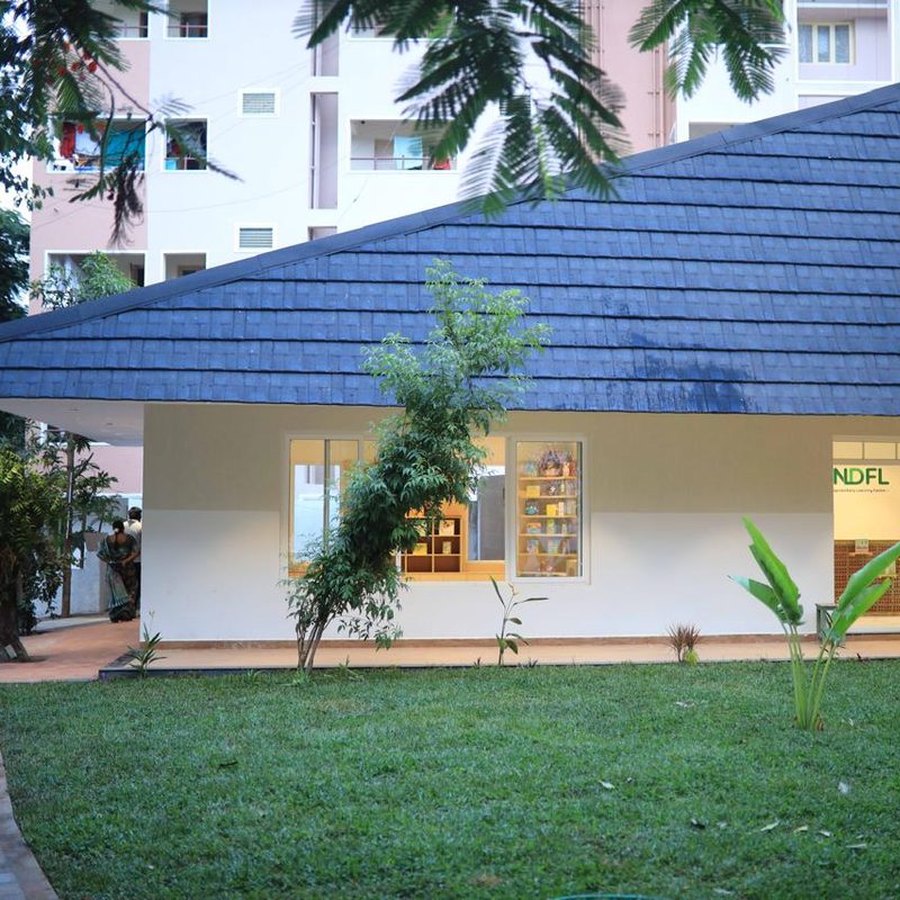
Vaikunth · Cohort 2 · Bangalore Vaikunth opened MINDFL Early Learning Centre, built on the idea that small children learn better outdoors than in. The building opens straight onto a garden the children use as a classroom. | ||
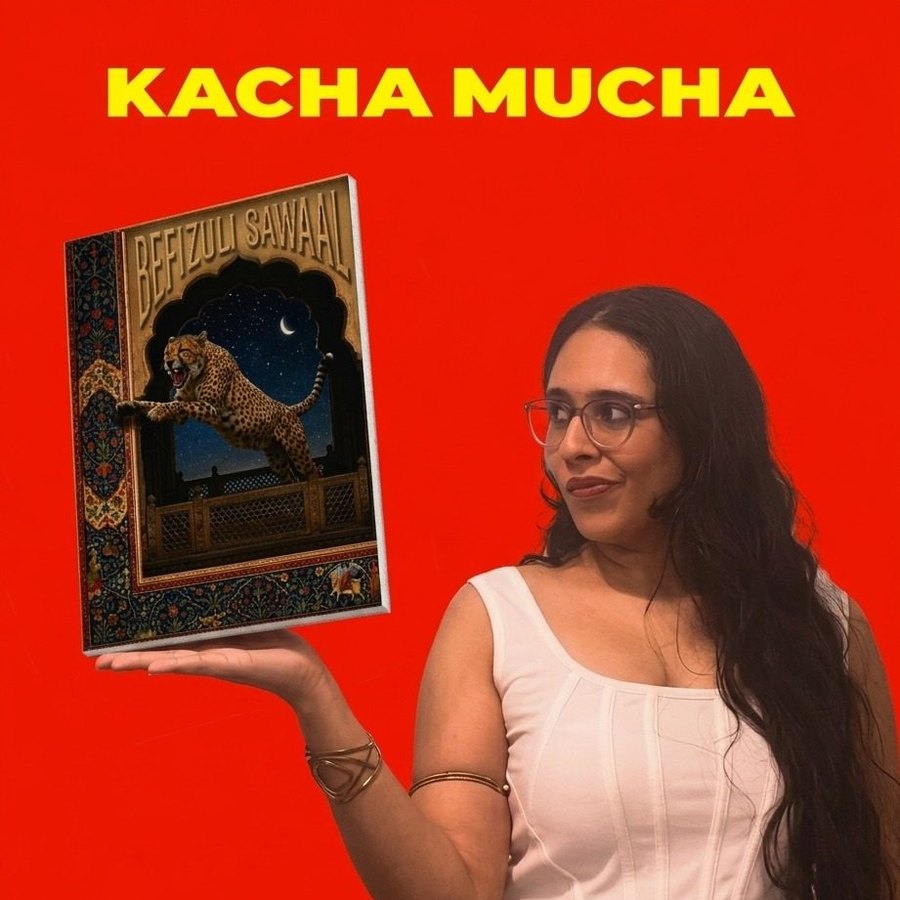
Shubh · Cohort 4 · Goa Shubh launched Kacha Mucha, a magazine that sends older teenagers down rabbit holes about how the world actually works. The first issue ignores subject boundaries completely. Find it at @kacha_mucha_. | ||
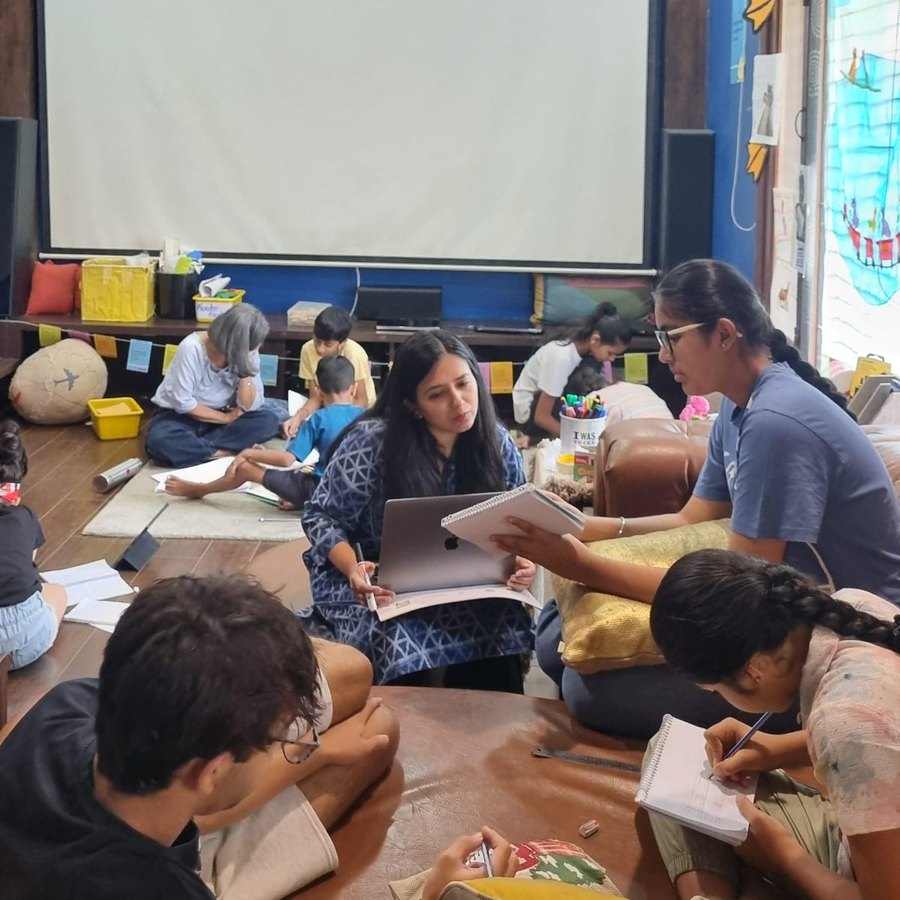
Gunasees · Cohort 5 · Dehradun Gunasees ran the first Wonderfed Summer CoolSchool in Dehradun in June, putting middle-schoolers through interdisciplinary projects with real stakes rather than worksheets. It closed with the children presenting to a room of their own parents. | ||
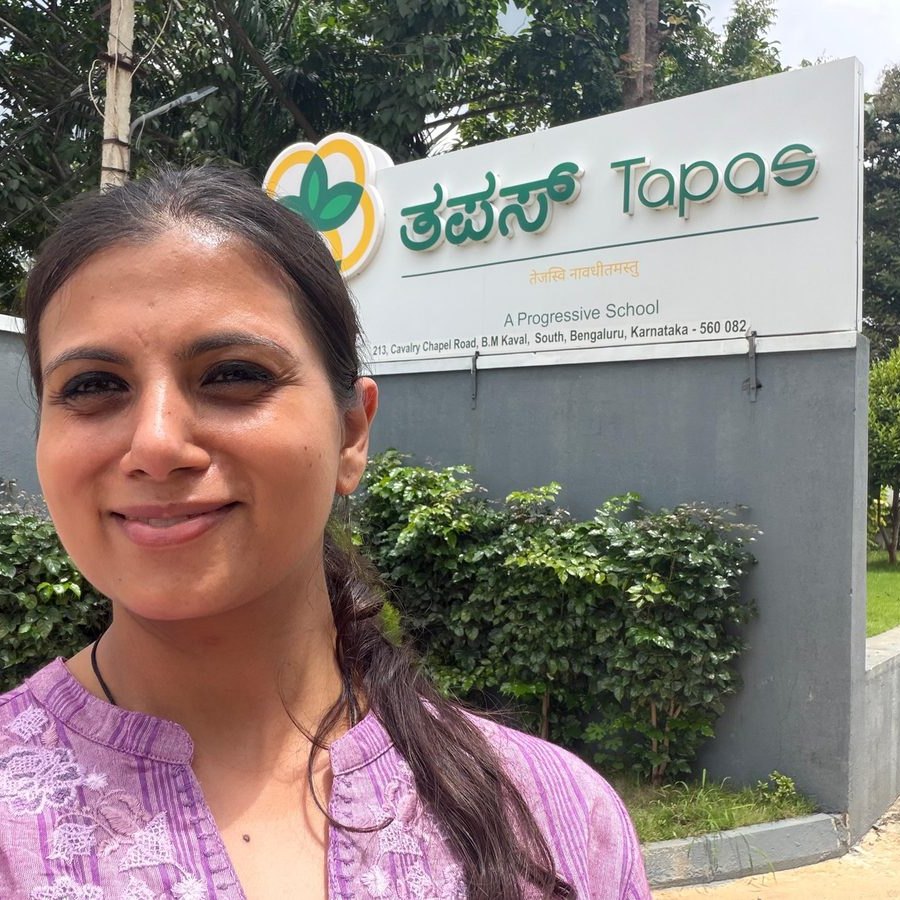
Krunika · Cohort 6 · Bangalore Krunika started as a facilitator at Tapas Progressive School in Bangalore. She found the role through the BoE Job Board, which is a placement the board can now point at by name. | ||
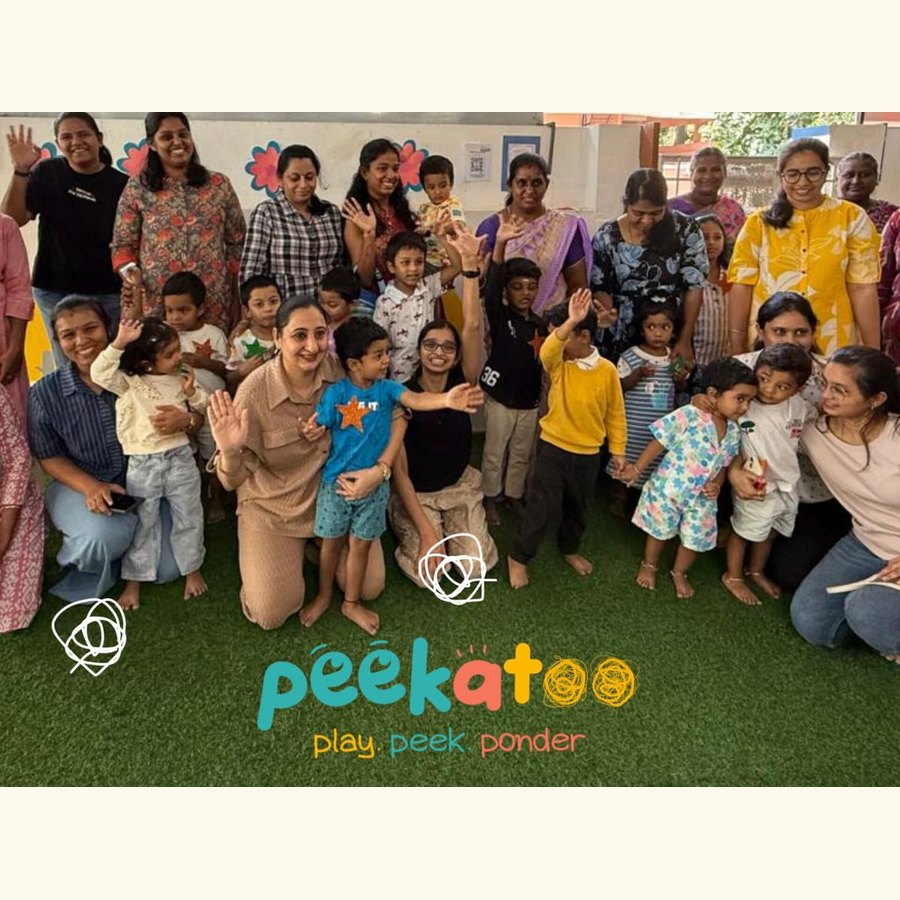
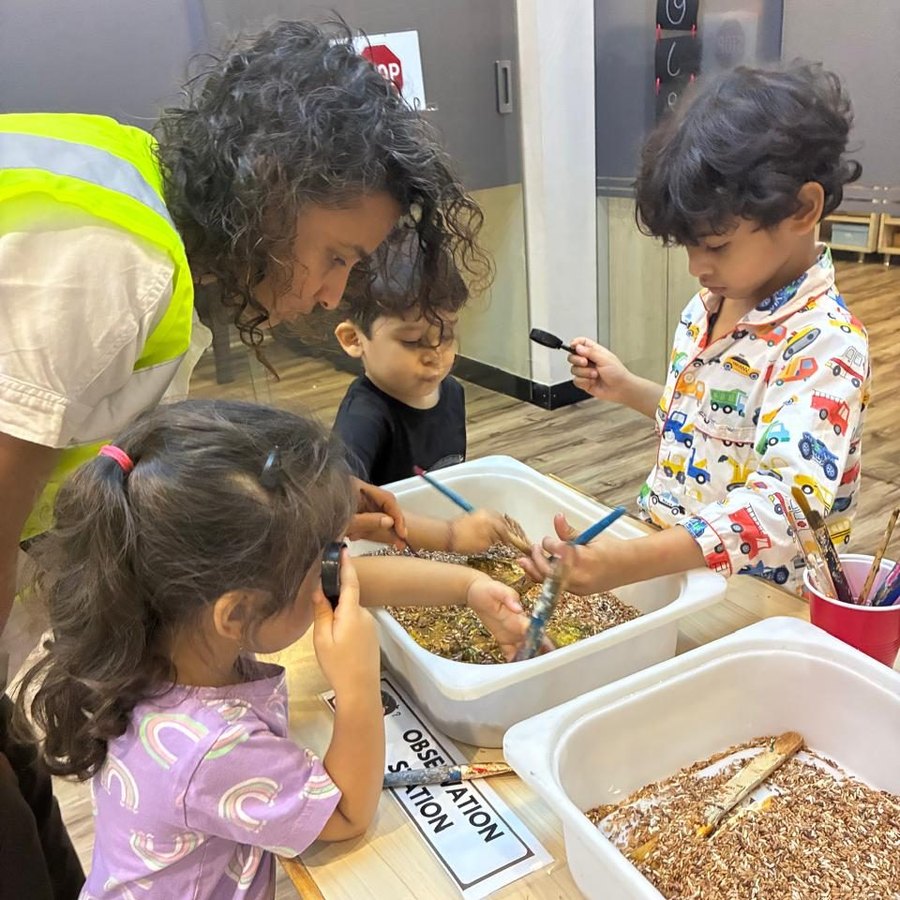
Shloka · Cohort 6 · Bangalore Shloka launched Peekatoo, which runs curated play sessions where parents explore alongside their children instead of watching from the edge of the room. The conversations are as much the point as the play. | ||
Poornima · Cohort 4 · Goa Poornima put her venture online at owtofbox.com, so the work now has a front door that parents and schools can walk through without an introduction from us. | ||
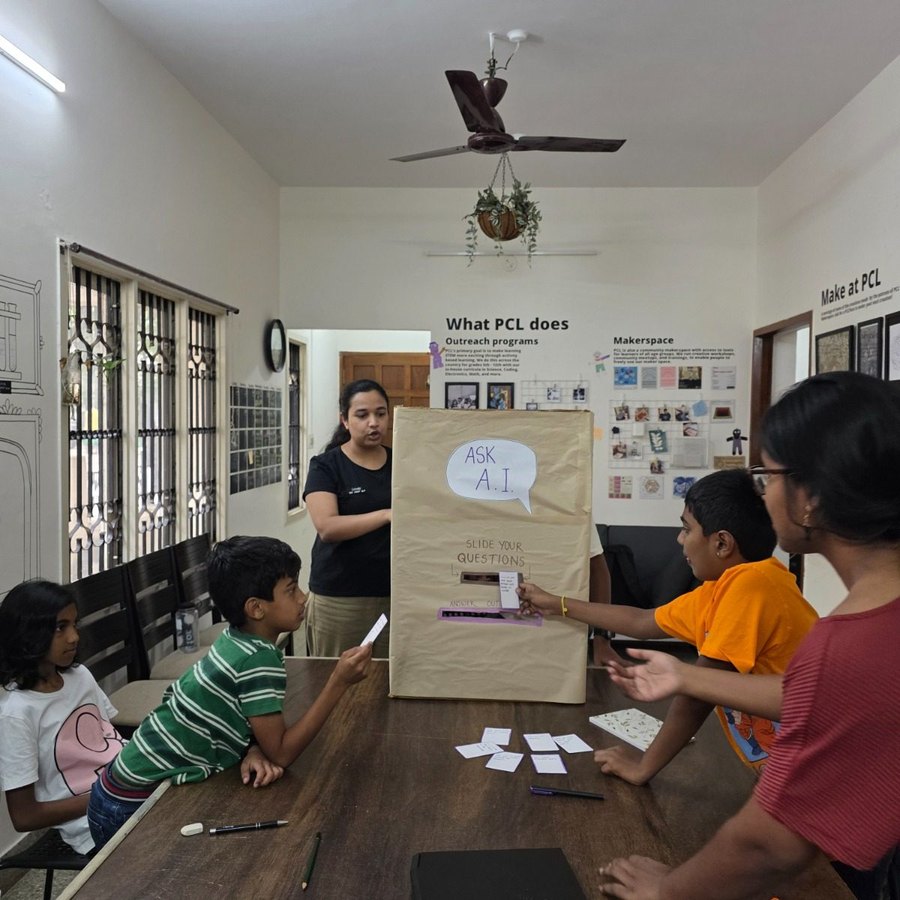
Oshin and Gowri · Cohort 2 · Bangalore Oshin and Gowri ran The First Acts' Intro to Generative AI workshop, where children worked out what an AI hallucination is by taking turns playing ChatGPT themselves and answering questions posted into a cardboard box. | ||
|
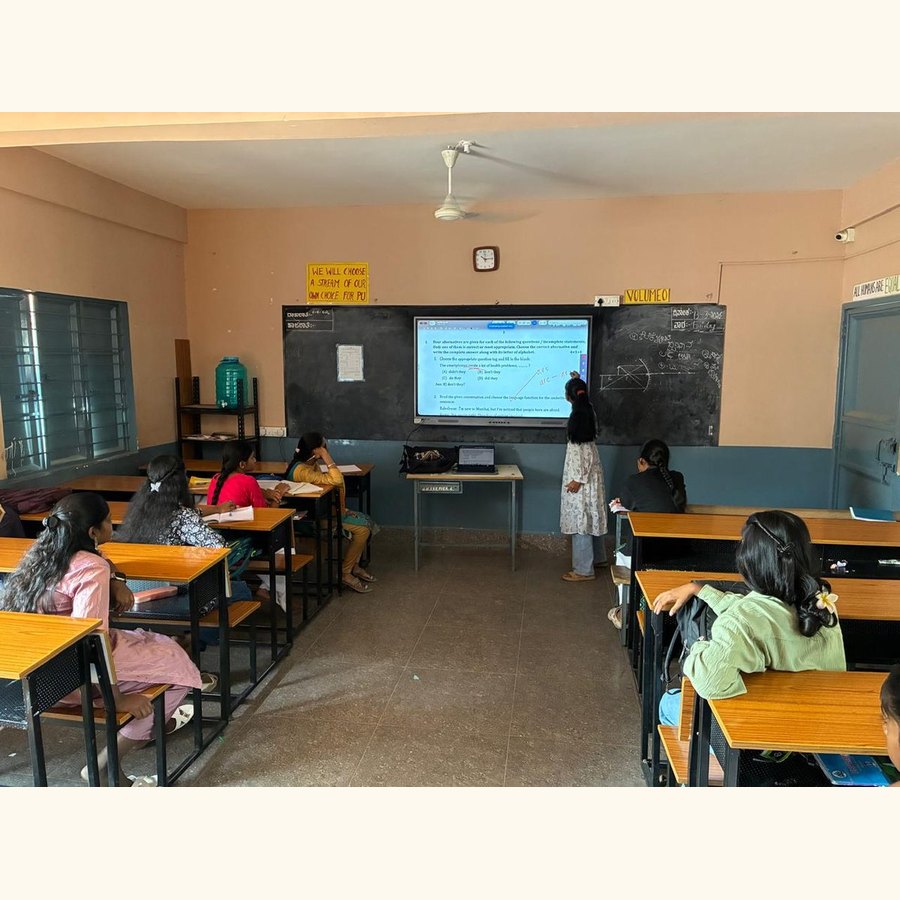
03 From the Ground Silence must be chosen There is a reason why church pews remain silent during a sermon on a Sunday morning. Not sharpening your ear to the often monotonous exhortation would be condemned by both God and man. I used to envy preachers. Church pews worked for them because they had God on their side. I rarely felt that way in the classroom as a teacher. Contrary to what you may have heard repeated in Indian homes, teachers are far from gods to the average Indian teenager. They are so far removed from such divine authority that they feel it necessary to enter classrooms with sticks and stones—because words seldom work. Despite researchers and activists telling them they're abusing children, they continue to play God. When I walked into the classroom as a teacher for the first time, I remember feeling the power dynamic in the air. I was like a tiny Caesar addressing the Senate. Rows unfurled before me and they were filled with students eager to check where the boundaries lay with their new teacher. I remember recalling all my notions of what it meant to teach learners to be free. Here I was, thrust into a role that encouraged me to exercise complete control, to wield young minds to my will. I remember wanting to do a little spell and turn the classroom into a carousel. I wanted the desks and benches to float around and find spaces that did not make the classroom look like I'd torn into a packet of biscuits neatly stacked against each other. Most parts of the classroom, especially corners at the back, where inaccessible. I remember trying to pace the aisle as I took my lessons, hoping to connect with some of these “dead zones” at the back, only to be drawn back to the blackboard every time I wanted to explain something. The design of the classroom worked against me at so many levels. Another learning was that a concrete box is not great at handling sound. I wanted students to be able to speak and be a little noisy, if possible. I remember wishing the walls would disappear so that voices wouldn't bounce off them and make the classroom louder than it really was. The school expected teachers to be able to silence students, which made perfect sense because teaching requires silent intervals. What I had an issue with was that noise was not an option. | ||
| ||
|
Silence is often perceived as synonymous with productivity because it is synonymous with acceptance—of roles and responsibilities. This is not to say all silence is coerced and that it cannot be generative. Reflection and deep thinking often call for silence, and there are many (including me) for whom sensory overload is a real challenge. But it is important to note that silence must be chosen and not made compulsory. Learning may require you to break silence because it is an incredibly personal experience if you care about who you are, where you're from, and why you're learning. The personal will demand attention and it deserves to be seen and heard. It took me time to learn that. This realisation changed how I understood student agency, and it gave direction to my attempts to design physical learning spaces to be ones that fostered ambiguity of purpose in healthy amounts, allowed for real physical movement, and made noise a possibility. I've been exploring some of these ideas with Ishani Kuwar, an industrial design student and graphic designer I met through the Bored of Education Fellowship. Together, we started Project Murmurations to find ways to make freedom tangible. We are working on creating a platform for educators to discuss what moving towards freedom and ordered chaos looks like in their own unique contexts. | ||
| ||
|
Pedagogy matters too. Freedom does not mean an absence of direction or shared goals, and it definitely does not mean a lack of accountability. As a teacher, I found that respect was the foundation on which freedom took the shape of a collective. I encouraged my students to acknowledge the presence of peers by using names, face them in the classroom when asking questions, make active listening a priority, and share feedback that was tempered with care. I asked them not to face me or address me when they had a query during a lesson but to raise it to the peer sitting farthest away from them, ensuring everyone in the class was part of the conversation. Being audible and addressing everyone with your unique perspective was an act of respect and a way to make everyone responsible for the classroom. While these are not new strategies by any means, I rarely saw them used in classrooms, and introducing them felt like a radical act. What I'm hoping to convey through this short piece is that the practice of freedom is foundational to learning. It is not the absence of order but the presence of shared accountability. Our physical spaces need to make that possible just as much as the pedagogy we subscribe to. I am not unaware of the pressure teachers are under due to institutional surveillance and standardisation in various forms. This is not a call to overhaul the system but an exhortation to make freedom a practice in small ways. The work that I do with BoE is about exploring this with others passionate about education. Stefan · Cohort 1 · Bangalore | ||
|
04 Worth Your Time Three things, one line each Read Un/Common Schooling: Educational Experiments in Twentieth-Century India, edited by Janaki Nair. Founders of alternative schools, most of them in remote villages, on why they built what they built. If you are starting a school, someone in here has already tried your idea. Watch What does AI mean for education?, from Anthropic, 42 minutes. Watch it next to Oshin and Gowri's workshop above, where children worked out what a hallucination is by playing ChatGPT themselves. Try Ask children to bring materials from home and from around them, then build the week out of what arrives. The curriculum becomes something you make with them rather than something you hand to them. | ||
|
Never miss an issue Reinvent education one innovation at a time.
| ||
|
Bored of Education Fellowship boredofeducation.in · Instagram · LinkedIn
Published monthly by the Bored of Education Fellowship. |